From One Question to Stories That Keep People Close
There are projects that begin with a proposal.
There are projects that begin with a contract.
And then there are projects that simply refuse to leave your mind.
Why Are You Sad? was one of those.
The idea didn’t begin with a website. It didn’t begin with a logo, a business plan, or a marketing strategy. It began with a question that had followed me around for years.
Why are you sad?
Not because I wanted to build a website about sadness.
The question came from one story among many—one moment that stayed with me long after it happened. Like so many ideas, it started small. The more I thought about it, the more I realized it wasn’t the question that mattered. It was what the question uncovered.
Every person carries stories.
Stories about parents who taught them something without realizing it.
Brothers who nearly drove them crazy before becoming lifelong friends.
Teachers who changed a life without ever knowing it.
Ordinary moments that somehow become unforgettable.
Those stories rarely make the history books.
But they become the history of our families.
As Brandscapes, we’ve spent years helping businesses discover who they are and communicate that clearly. This time, we weren’t helping a client discover their purpose.
We were discovering our own.
CLIENT: Why Are You Sad?
CLIENT SERVICES: Personal Storytelling & Digital Story Archive
BRANDSCAPES SERVICES: Brand Strategy, Brand Identity, Naming, Website Design & Development, Content Strategy
The website wasn't the idea. It became the home for it.
At first, I thought the project was about preserving memories.
That sounded right.
Until it didn’t.
Like most branding projects, the mission evolved.
Over the following months, the homepage was rewritten more times than I can count. Navigation changed. Categories changed. Calls to action changed. Even the way the project described itself changed.
Each revision taught us something.
We weren’t building a website about sadness.
We were building a place where people could preserve the people behind their memories.
That realization changed everything.
The stories were no longer about loss.
They were about connection.
Eventually, after dozens of conversations and countless revisions, five words emerged that finally captured what the project had been trying to say all along.
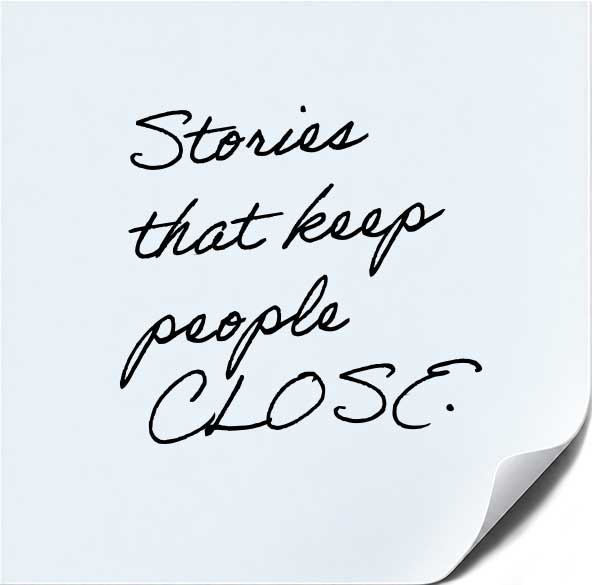
Stories that keep people close.
Once those words existed, every other decision became easier.
The homepage finally sounded right.
The photography made sense.
The writing found its voice.
The brand had discovered its mission.
The Mission Evolved.
One idea. Many refinments. Five words changed everything.

Stage 1
The first idea explored the gaps preserving what matters before it’s lost.

Stage 2
We realized it wasn’t just about memories—it was about the people who lived them.

Stage 3
The focus shifted to storytelling—turning moments into something that can be shared, remembered, and passed down.

Stage 4
Connection became the heart of the mission. Stories bridge the gaps between generations and keep relationships alive.
Stage 5
Five simple words that capture everything. This is what WAYS stands for. This is what guides every decision.
The mission didn’t change the project.
The project helped us discover the mission.
Stories that keep people close.
With the mission finally defined, the website stopped feeling like a collection of pages and started feeling like an experience.
Every decision asked the same question.
Would this help someone connect with the story?
If the answer was no, it disappeared.
The handwritten logo remained because it felt personal instead of corporate.
Photography became cinematic, but believable. Every image was created to feel remembered rather than staged.
Story titles stayed conversational.
Navigation became quieter.
The design stepped into the background so the stories could move to the front.
Even the technology served the mission.
Search engine optimization wasn’t simply about rankings. It was about helping someone discover a story they didn’t know they needed.
The custom Rabbit Hole Engine wasn’t built to increase page views. It was built because that’s how memories work. One story reminds us of another. Readers often arrived for a single story and found themselves reading six more before leaving.
Good technology became invisible.
The experience became memorable.
One unexpected part of this project was how deeply emerging technology became woven into the creative process.
Artificial intelligence wasn’t asked to tell stories.
It couldn’t.
Those belonged to the people who lived them.
Instead, AI became another creative partner inside Brandscapes.
It helped explore ideas faster.
Challenge assumptions.
Refine language.
Solve technical problems.
Improve workflows.
Research topics more efficiently.
Generate creative alternatives that could be evaluated rather than accepted.
Technology never replaced the human side of the work.
It simply gave us more time to focus on it.
That experience fundamentally changed the way Brandscapes approaches AI today.
Not as a shortcut.
As another tool that allows strategy, creativity, and craftsmanship to work together more effectively.
Like every Brandscapes project, WAYS continues to be measured, refined, and improved.
Google Analytics helped us understand how readers moved through stories.
Search Console showed how people were discovering the website.
Reddit introduced entirely new audiences.
Facebook became a place where stories found families and old friends.
The numbers mattered.
Not because they measured success.
Because they helped us understand what resonated.
Readers stayed longer than expected.
They explored additional stories.
Many returned.
Some began sharing stories of their own.
The website wasn’t just attracting visitors.
It was building a community.
Looking back, Why Are You Sad? became much more than an internal Brandscapes project.
It became proof that branding is rarely about logos, websites, or advertising.
Those are simply the tools.
The real work happens much earlier.
It happens while searching for the right question.
It happens while discovering the mission.
It happens through hundreds of conversations, thousands of decisions, and the willingness to keep refining until the brand finally sounds like itself.
Today, WAYS continues to grow one story at a time.
Not because the project is finished.
Because it never will be.
Every new story becomes another reminder of why it exists in the first place.
To help preserve the people behind our memories.
To create a place where stories keep people close.
And to remind us that the strongest brands—like the strongest relationships—aren’t built overnight.
They’re built one meaningful story at a time.
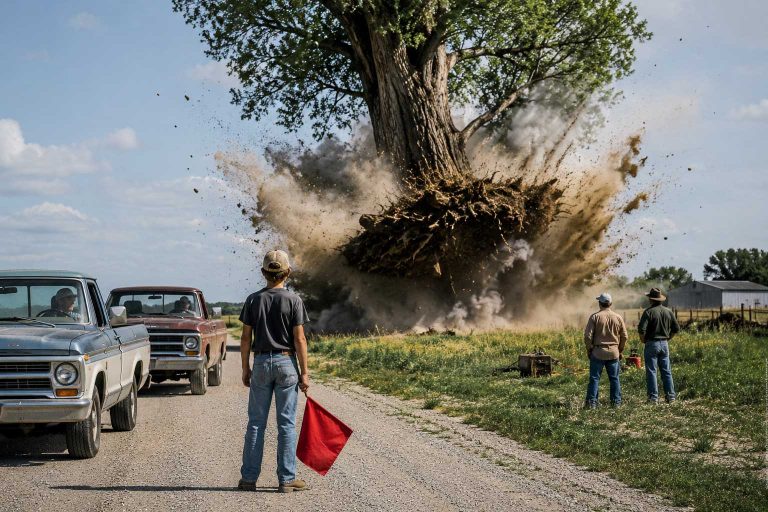
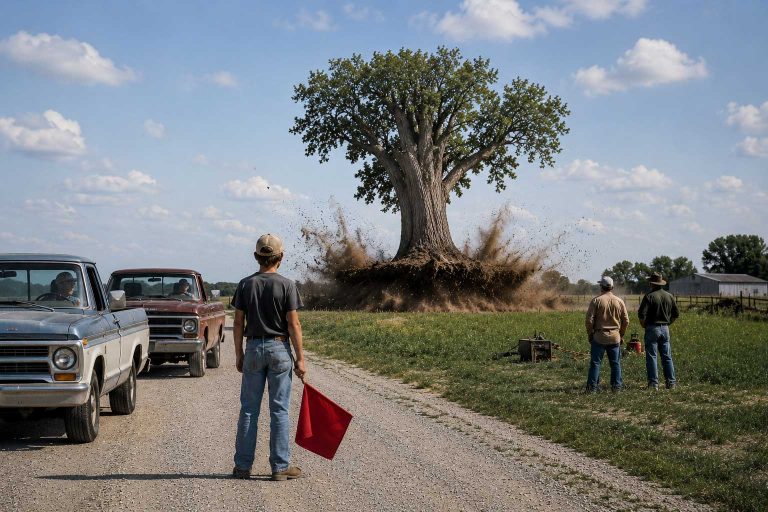
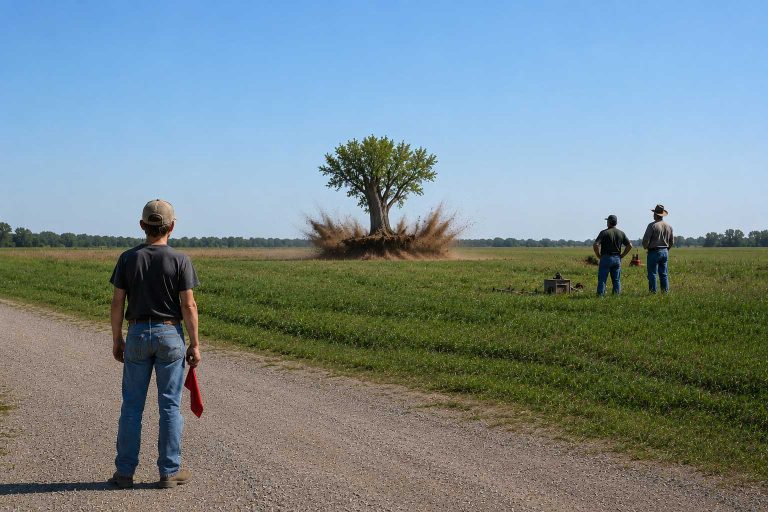
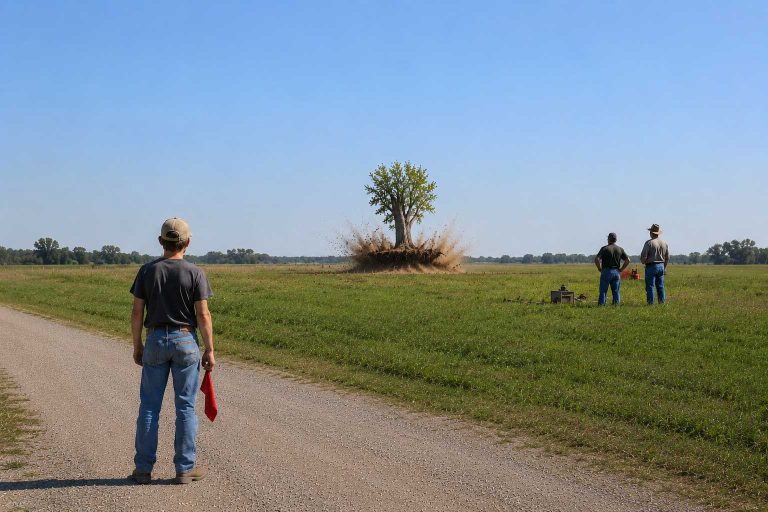
Project Bloopers
Not every image made it on the first try.
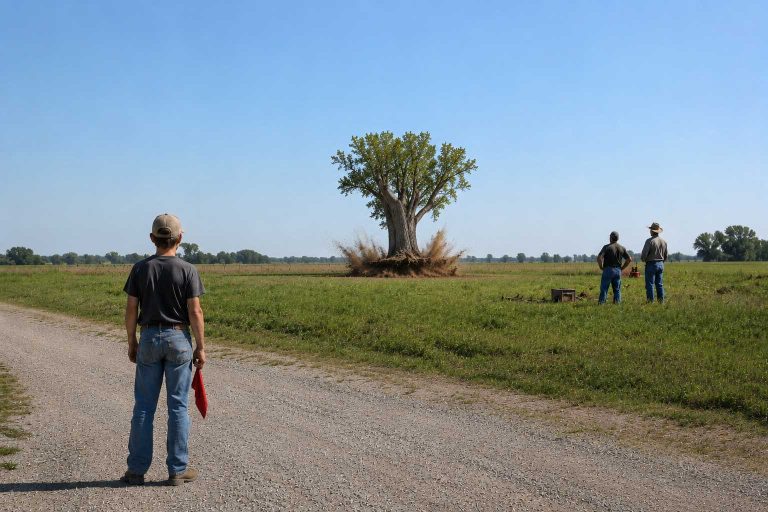
AI-assisted image creation became part of the visual storytelling process for WAYS?, but translating a memory into an image sometimes required a surprising amount of back-and-forth. A slightly misunderstood direction could turn a controlled tree removal into something closer to a tactical nuclear event. These spectacular failures never made the stories—but they became part of the process.